
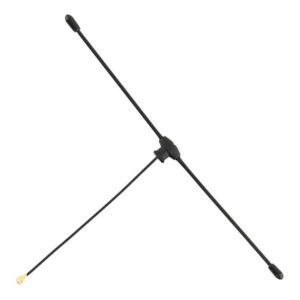
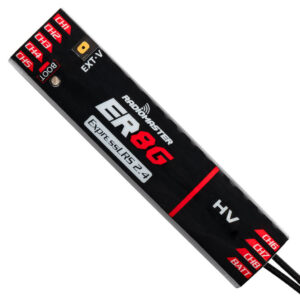
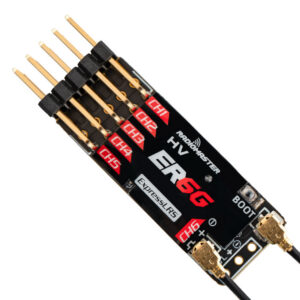
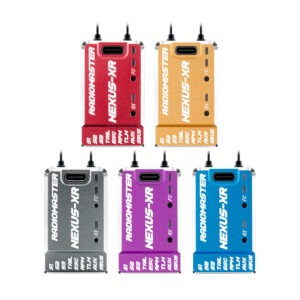
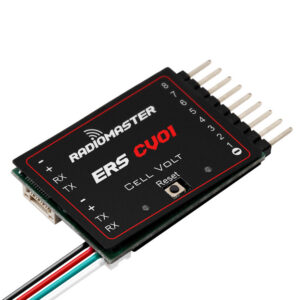
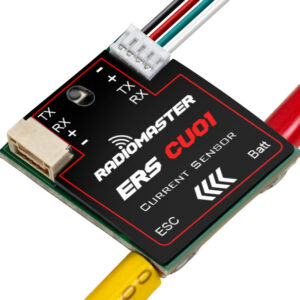
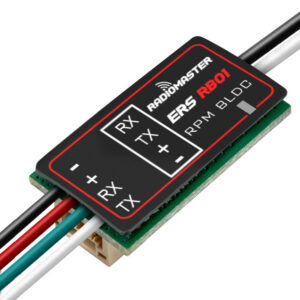
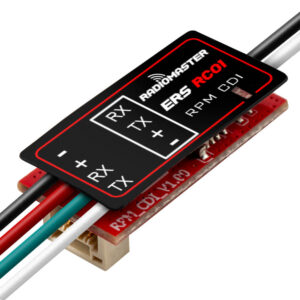
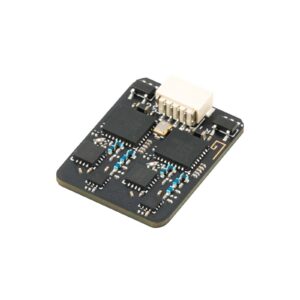
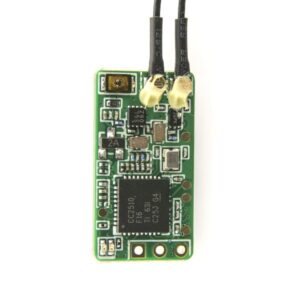
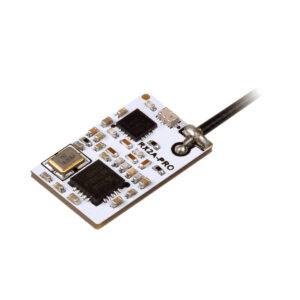
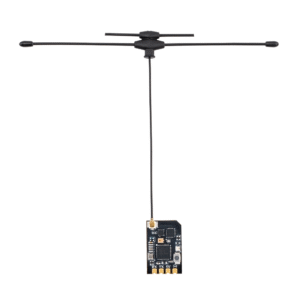
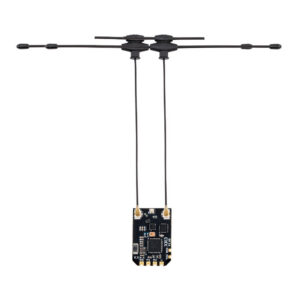
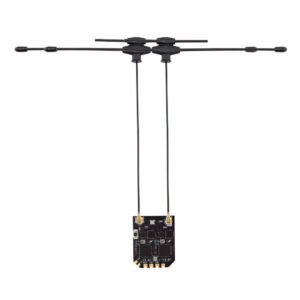

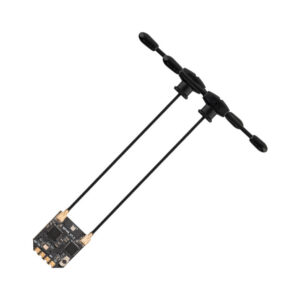
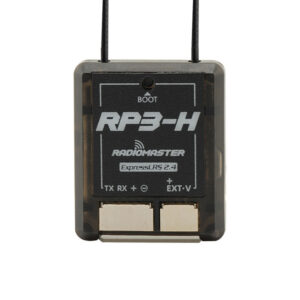
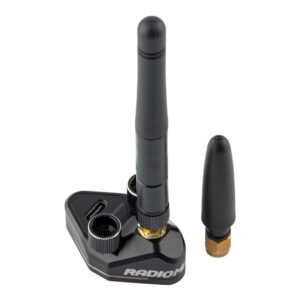


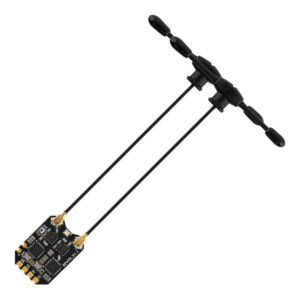
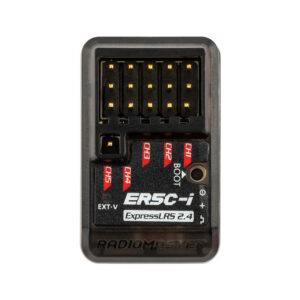

FPV receivers connect your drone to your radio transmitter, receiving control signals and translating them into flight commands. Choosing the right receiver means matching it to your transmitter protocol such as ExpressLRS, TBS Crossfire, or FrSky. At FPVdrones.eu, we stock a wide range of FPV receivers for every protocol and form factor, from nano receivers for micro whoops to full-featured long-range receivers.
Frequently asked questions
What does "protocol compatibility" mean for a receiver?
A receiver must use the same radio protocol as your transmitter (such as ExpressLRS or Crossfire) to bind and communicate; receivers and transmitters using different protocols cannot work together.
What is telemetry and why does it matter?
Telemetry sends data back from your drone to your radio, such as battery voltage, signal strength (RSSI), and GPS coordinates, helping you monitor your flight in real time.
How do I bind a new receiver to my transmitter?
The exact process varies by protocol and manufacturer, but generally involves putting both the transmitter and receiver into bind mode and following the specific steps in your radio system's manual.
Does receiver antenna placement matter?
Yes. Receiver antennas should be mounted away from carbon fiber (which blocks signal) and positioned so they aren't shadowed by other components during flight.